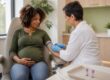
Pregnancy changes how your body processes sugar. Insulin is an essential hormone made by your pancreas to regulate blood sugar, or glucose, by moving sugar from your blood into your cells for energy. For some women, the body cannot make enough insulin to keep up with the increased demands of growing a baby. When that happens, blood sugar levels rise, and the result is a condition called gestational diabetes.
Gestational diabetes affects roughly 5% to 10% of pregnancies in the United States each year, according to the CDC. The good news is that with proper screening, monitoring, and a few lifestyle adjustments, most women with gestational diabetes go on to have healthy pregnancies and healthy babies.
How Gestational Diabetes Develops
During pregnancy, your placenta produces hormones that help your baby grow. Some of those same hormones also make it harder for insulin to do its job. When your body cannot produce enough extra insulin to overcome that resistance, glucose builds up in your bloodstream.
This usually happens during the second half of pregnancy, which is why prenatal screening typically takes place between 24 and 28 weeks. Some women may be screened earlier if they have certain risk factors, such as a history of gestational diabetes in a previous pregnancy, a family history of type 2 diabetes, a BMI over 30, or being over the age of 35.
What Symptoms Might You Notice?
Most women with gestational diabetes don’t notice symptoms at all. That is actually one of the reasons routine screening is so important. When symptoms do show up, they tend to be subtle and easy to brush off as normal pregnancy discomfort. These can include increased thirst, more frequent urination than usual, and fatigue. Because these overlap so much with typical pregnancy experiences, testing is the only reliable way to confirm gestational diabetes.
The standard screening is a glucose challenge test. You drink a sugary solution and have your blood drawn an hour later. If the results are elevated, a longer follow-up test called a glucose tolerance test is used to confirm the diagnosis.
How It Affects You and Your Baby
Unmanaged gestational diabetes can lead to complications for both mom and baby. For the baby, excess sugar crossing the placenta can cause the baby to grow larger than expected, a condition called macrosomia. This can increase the chance of a difficult delivery or the need for a cesarean section. Babies born to mothers with poorly controlled blood sugar may also have low blood sugar right after birth and may be at higher risk for breathing difficulties.
For mom, gestational diabetes raises the risk of high blood pressure and preeclampsia during pregnancy. It also increases the likelihood of developing type 2 diabetes later in life. However, keeping blood sugar levels within a target range throughout pregnancy significantly reduces these risks.
Nutrition and Activity That Help
Managing gestational diabetes starts with what you eat and how you move. A balanced approach to meals is one of the most effective tools available.
Focus on pairing carbohydrates with protein or healthy fats to slow sugar absorption. Choose whole grains over refined ones, eat plenty of vegetables, and spread your meals across the day rather than eating a few large ones. Smaller, more frequent meals help keep blood sugar levels stable.
Regular physical activity also helps your body use insulin more efficiently. Walking for 15 to 30 minutes after meals can make a noticeable difference in blood sugar readings. Swimming and prenatal yoga are also safe options for most pregnant women. Always check with your provider before starting or changing an exercise routine during pregnancy.
Monitoring and Treatment
If you are diagnosed with gestational diabetes, your provider will likely ask you to check your blood sugar several times a day using a small device called a glucometer. You will typically check your fasting level in the morning and again one to two hours after meals.
For many women, diet and exercise are enough to keep blood sugar in a healthy range. When those steps are not enough on their own, medication may be recommended. Insulin is the most common treatment because it does not cross the placenta, making it safe for the baby.
Throughout the rest of your pregnancy, your provider may recommend more frequent prenatal visits and additional monitoring, such as non-stress tests or ultrasounds, to keep a close eye on your baby’s growth and well-being. This monitoring is part of comprehensive pregnancy care designed to support you at every stage.
Managing Gestational Diabetes Starts with Your Care Team
Gestational diabetes can feel overwhelming at first, but it is one of the most manageable pregnancy complications when caught early. With the right guidance, most women are able to maintain healthy blood sugar levels and deliver healthy babies.
If you are pregnant or planning a pregnancy, schedule an appointment at Dr. Nader and Associates to discuss your risk factors and make sure you are getting the screenings you need. Patients thinking ahead may also benefit from preconception counseling. Call (702) 818-1919 or book online through Healow to get started.