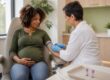
Prenatal genetic screening is an optional blood test that looks at your baby’s DNA, which circulates naturally in your bloodstream during pregnancy, to estimate the chance your baby may be born with certain chromosomal or inherited conditions. Because it is optional, the decision is genuinely yours. Plenty of parents wonder whether it is worth doing at all, especially when they feel healthy and have no family history of anything unusual.
Here is what the screening actually offers, so you can weigh it honestly.
It Answers Two Different Questions in One Blood Draw
Unity Complete combines two types of screening that used to require separate steps.
The first looks at chromosomal conditions, sometimes called aneuploidies. These include Down syndrome (Trisomy 21), Edwards syndrome (Trisomy 18), Patau syndrome (Trisomy 13), Turner syndrome (Monosomy X), Klinefelter syndrome (XXY), Triple X, Jacobs syndrome (XYY), and DiGeorge syndrome. These conditions generally happen spontaneously and are not inherited from a parent.
The second looks at inherited conditions, which are passed down and require both parents to carry a gene change. Unity Complete screens for up to 14 of these, including cystic fibrosis, spinal muscular atrophy, sickle cell disease, alpha-thalassemia, beta-thalassemia, Tay-Sachs disease, Fragile X syndrome, Canavan disease, and familial dysautonomia. Optional fetal sex determination is available as well.
Getting both pictures from one visit is the practical argument for screening. You are not scheduling separate tests or waiting through separate result windows.
“No Family History” Is Not the Same as “No Risk”
This is where a lot of people talk themselves out of screening. Inherited conditions are carried silently. Most parents who carry a gene for one have never had a symptom and have no reason to suspect anything, which is exactly why they do not show up in a family history.
Inherited conditions can also affect any family, regardless of background. Unity Complete screens everyone the same way, which is worth knowing in a community as diverse as ours.
You Do Not Need Your Partner Involved
Older screening for inherited conditions usually required blood from both parents, tested one after the other. That created delays when a partner was unavailable, uninterested, or not part of the picture. Unity Complete estimates your baby’s risk from your blood alone.
For some families, this is a convenience. For others, including those using a donor, it is the reason screening becomes possible at all.
The Most Likely Outcome Is Reassurance
Most families who screen receive a low-risk result. If you are considering screening mainly because you are anxious, it is worth knowing that the usual result is the one that settles that anxiety, and it arrives in roughly one to two weeks.
For the smaller number of families who receive a high-risk result, screening buys the thing that matters most: time. Time to understand what the result means, ask questions, prepare with your care team, and connect with specialists and resources sooner, when planning has the most value.
Be Clear About What It Cannot Tell You
Unity Complete is a screening test, not a diagnosis. A low-risk result greatly lowers the chance of a condition but does not completely rule everything out. A high-risk result does not mean your baby is definitely affected. It means your provider may recommend additional testing to learn more.
Understanding this ahead of time protects you from reading more into a result than it holds, in either direction. Your provider will walk you through what your result means for you and any next steps, one at a time.
What About Cost?
Coverage varies by plan. The lab that performs Unity Complete accepts many insurance plans, including Medicaid, and our office can help you understand your options before you commit to anything. If cost is the main thing holding you back, ask before assuming.
Deciding What Fits Your Pregnancy
Prenatal screening is not something you should feel pushed into or talked out of. The reasonable approach is to understand what it screens for, what a result would actually mean, and how it fits your situation, then decide.
That conversation is one we make room for. We do not rush visits, and Unity Complete can be discussed at any prenatal appointment. Just mention it the next time you are in.
To get started, schedule an appointment with Dr. Nader and Associates by booking online or calling (702) 818-1919. We accept Medicaid and most major insurance plans, and free transportation is available for Medicaid patients.