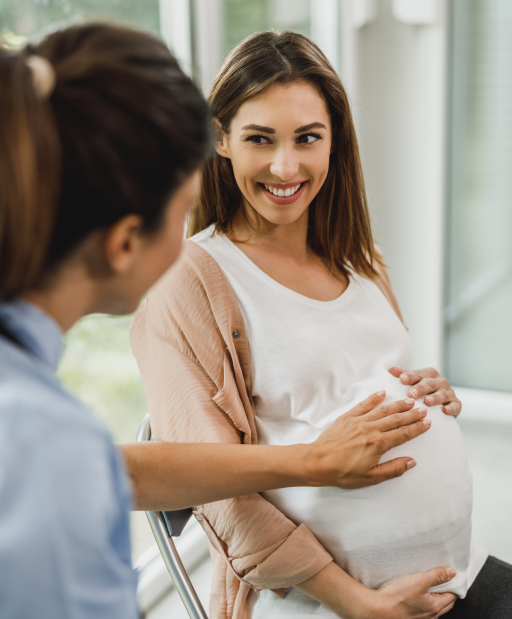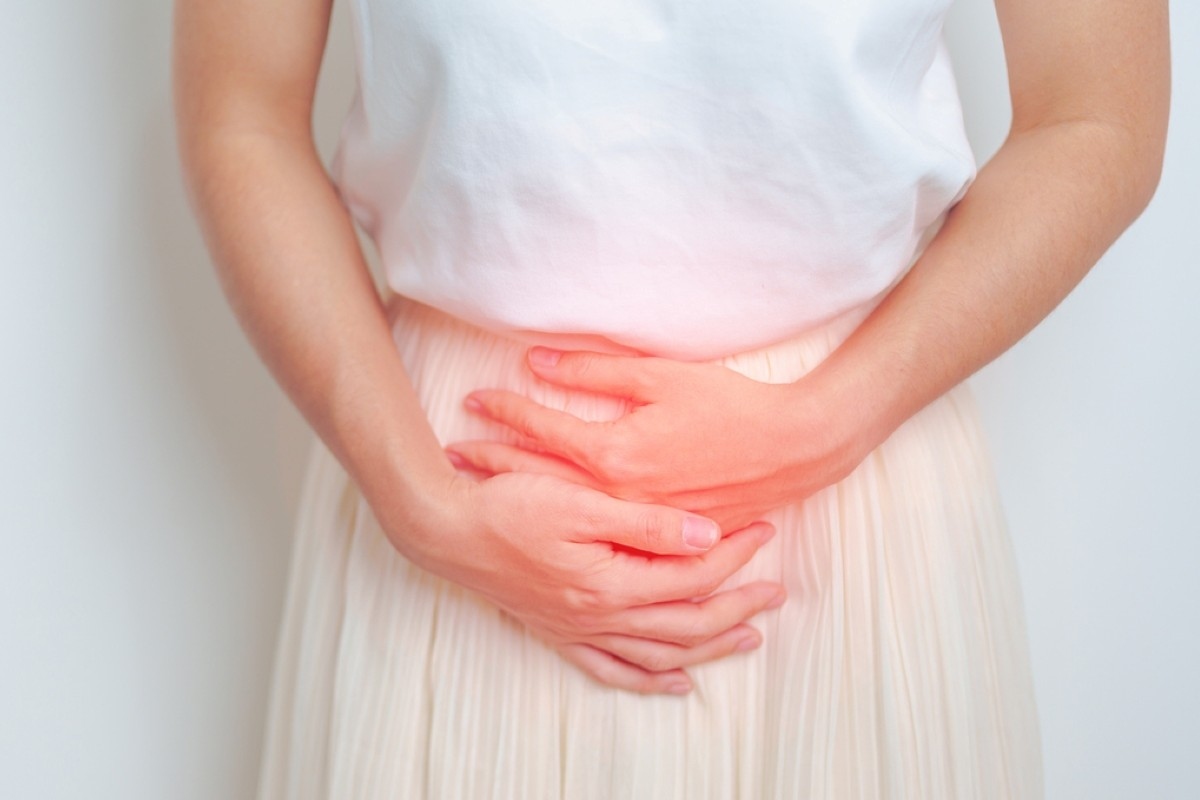
Uterine fibroids are noncancerous growths that develop in or on the wall of the uterus. They are one of the most common gynecological conditions, affecting up to 80% of women by the time they reach age 50, according to research. Fibroids vary widely in size. Some are as small as a seed, while others can grow large enough to change the shape of the uterus. Many women have fibroids without ever knowing it, but for others, they can cause symptoms that significantly affect daily life.
How Fibroids Can Affect Your Period
One of the most common ways fibroids make themselves known is through changes in your menstrual cycle. Depending on where they’re located and how large they are, fibroids can cause heavy periods that last longer than seven days, bleeding between periods, or passing large blood clots during your menstrual cycle.
Heavy menstrual bleeding caused by fibroids can sometimes lead to iron-deficiency anemia, leaving you feeling exhausted, weak, or short of breath. If you find yourself soaking through a pad or tampon every hour or two, or if your periods are interfering with work and daily activities, it’s worth bringing up with your provider. Heavy bleeding is treatable, and you don’t have to live with it.
Pelvic Pressure and Other Symptoms
Beyond heavy periods, fibroids can cause a feeling of pressure or fullness in the lower abdomen. Larger fibroids may press against nearby organs, leading to frequent urination if they push on your bladder, or constipation and bloating if they press on your bowels. Some women with fibroids may experience lower back pain or pain during intercourse.
The specific symptoms you experience depend largely on the size, number, and location of your fibroids. Submucosal fibroids, which grow into the inner cavity of the uterus, are most likely to cause heavy bleeding. Subserosal fibroids, which grow on the outer surface, are more likely to cause pressure symptoms. Intramural fibroids, which grow within the muscular wall, can cause both pressure and heavy bleeding.
Fibroids and Fertility
For women who are trying to conceive or planning a future pregnancy, fibroids can be a concern. While many women with fibroids get pregnant and deliver without complications, certain fibroids can interfere with fertility depending on their size and placement. Fibroids that distort the uterine cavity may make it harder for a fertilized egg to implant, and some can increase the risk of miscarriage or preterm delivery.
If you’re having difficulty getting pregnant and have been diagnosed with fibroids, talk with your provider about whether they could be a contributing factor. Preconception counseling can help you understand your specific situation and whether treatment is needed before pregnancy.
How Fibroids Are Diagnosed
Fibroids are often discovered during a routine pelvic exam when your provider notices that the uterus feels larger or has an irregular shape. To confirm the diagnosis and get a clearer picture, your provider may order imaging tests. A pelvic ultrasound is the most common tool used to identify fibroids and measure their size and location. In some cases, additional imaging or a procedure called a sonohysterogram may be recommended for a more detailed view of the uterine cavity.
Because many fibroids don’t cause symptoms, they’re sometimes found incidentally during an exam or imaging done for another reason. If that happens, your provider will discuss whether any follow-up is needed.
When Fibroids Need Treatment
Not every fibroid requires treatment. If your fibroids are small and not causing symptoms, your provider may recommend simply monitoring them over time with periodic check-ups. This approach is sometimes called watchful waiting, and it’s a perfectly reasonable option for many women.
Treatment becomes important when fibroids cause symptoms that affect your quality of life, such as heavy bleeding, significant pain, or pressure on other organs. Your provider will also consider treatment if fibroids are impacting your fertility or growing rapidly.
What Are My Treatment Options?
The right treatment for fibroids depends on several factors, including the severity of your symptoms, the size and location of your fibroids, whether you want to become pregnant, and your overall health.
Medications are often the first step. Hormonal treatments such as birth control pills, IUDs, or other hormonal therapies can help manage heavy bleeding and reduce period-related symptoms. These options don’t shrink fibroids, but they can make symptoms much more manageable.
When medications aren’t enough, surgical options are available. A myomectomy removes the fibroids while preserving the uterus, which is an important option for women who want to have children. For women who do not want children or are done having children and have severe symptoms, a hysterectomy, the surgical removal of the uterus, is a definitive solution. Minimally invasive surgical approaches are available for many of these procedures, which typically means less pain and a faster recovery.
Your Next Step Toward Answers
If you’re dealing with heavy periods, pelvic pressure, or any of the symptoms described above, don’t wait for things to get worse before seeking treatment. Fibroids are very treatable, and understanding your options is the first step toward feeling better.
Schedule an appointment with the team at Dr. Nader and Associates to discuss your symptoms and find the right approach for you. Book online through Healow or call (702) 818-1919.