
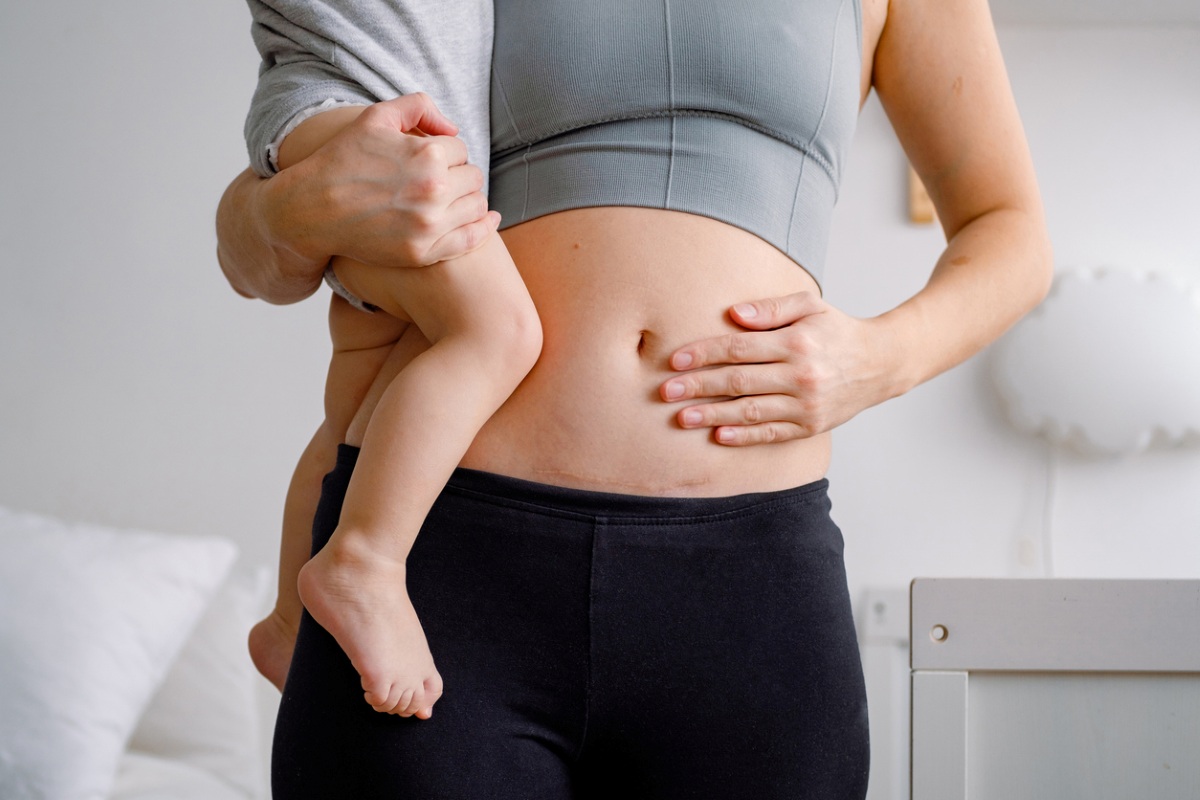
While it’s normal to have a baby bump after delivery, pregnancy and childbirth can change your body in far more profound ways.
Some of those changes are temporary, some stick around longer than expected, and a few may need medical attention. The tricky part is knowing which category you fall into, especially when so many new mothers are told that it’s normal to live with discomfort after giving birth.
That is not always true. Some postpartum changes are a normal part of recovery, while others are your body’s way of telling you something needs to be addressed. Here is a straightforward look at five changes that are expected and three others that require medical attention.
Five Postpartum Changes That Are Completely Normal
Your periods may look different after giving birth.
Many women notice that their first few periods after pregnancy are heavier, longer, or more irregular than what they were before. This is especially common if you are breastfeeding, since the hormones involved in milk production can delay your cycle or make it unpredictable for months. For most women, periods gradually return to a more familiar pattern within the first year, though it is not unusual for your “new normal” to look a little different from your pre-pregnancy cycle.
Your breasts change shape and size.
Whether you breastfeed or not, your breasts go through significant changes during and after pregnancy. Engorgement, tenderness, and changes in size are all common in the early postpartum weeks. Over time, breast tissue may feel softer or less full than it did before pregnancy. These shifts are driven by hormonal changes and are a natural part of the process and not a sign that anything is wrong.
You will shed more hair than usual.
If you notice clumps of hair in the shower drain a few months after delivery, do not be alarmed. During pregnancy, elevated hormone levels keep hair in its growth phase longer than usual, which is why many women feel like their hair gets thicker. After birth, those hormone levels drop, and all that extra hair sheds at once. This temporary hair loss typically peaks around three to four months postpartum and resolves on its own within a year.
Your abdomen feels different.
It takes time for your uterus and abdominal muscles to recover after pregnancy. Many women notice a soft, looser feeling in their midsection, and some develop a gap between their abdominal muscles known as diastasis recti. A small degree of separation is common and often improves with time and gentle core exercises. Your belly may never look exactly the way it did before, and that is a normal outcome of pregnancy.
You experience mood swings.
The hormonal shift after delivery is one of the most dramatic your body will ever go through. Feeling weepy, irritable, or emotionally up and down in the first two weeks after birth is so common it has its own name: the “baby blues.” These feelings are temporary and typically ease as your hormones begin to stabilize. The important thing is knowing when mood changes cross the line into something more serious, which brings us to the next section.
Three Postpartum Changes That Require Medical Attention
Bladder leakage that does not improve.
Leaking a little urine when you sneeze, laugh, or jump is common in the early weeks after delivery. Your pelvic floor muscles have been through a lot, and it takes time for them to recover. But if you are still dealing with bladder leakage months after having your baby, or if it is affecting your daily routine, exercise, or confidence, tell your provider. Urinary incontinence that persists is treatable, and you do not have to plan your life around it.
Pain during sex that will not go away.
Some discomfort during early postpartum sex is normal, especially if you had tearing or an episiotomy. But pain that continues well beyond your initial recovery is not something that should be ignored. Painful intercourse, also called dyspareunia, can be caused by hormonal changes, scar tissue, pelvic floor tension, or vaginal dryness. These are real medical concerns with treatment options, including hormone therapy, pelvic floor therapy, and non-invasive treatments.
Heavy bleeding or bleeding that returns after stopping.
Some bleeding and discharge after delivery, known as lochia, is completely normal and can last up to six weeks. However, soaking through a pad in an hour, passing large clots, or experiencing bleeding that stops and then comes back heavily are signs that something may need attention. Abnormal postpartum bleeding can signal issues ranging from infection to retained placental tissue, and it should always be evaluated promptly.
A Note on Postpartum Depression
The baby blues are common, but if you have symptoms that last longer than two weeks or feel more intense, it’s time to seek attention. Persistent sadness, difficulty bonding with your baby, overwhelming anxiety, or thoughts of harming yourself or your child are signs of postpartum depression or anxiety. These are medical conditions, not personal failures, and they respond well to treatment. If you or someone close to you notices these signs, reach out to your provider as soon as possible.
You Don’t Have to Suffer Through the Postpartum Period
Too many women are told that the changes they are experiencing after pregnancy are simply part of motherhood. And while some changes are a normal part of recovery, others do not have to be permanent. Pelvic pain, bladder leakage, and painful intercourse are not things you should just accept. They are conditions that your OB/GYN can evaluate and treat.
If you are postpartum and dealing with symptoms that are affecting your quality of life, schedule an appointment by booking online through Healow at healow.com or by calling (702) 818-1919. Medicaid patients can also call 844-879-7341 for free transportation to and from appointments.
